
Introduction
Intravenous (IV) drips have become a common medical treatment, offering a fast and effective way to deliver fluids, medications, and nutrients directly into a patient’s bloodstream. Traditionally used in hospital settings for hydration, emergency care, and medical procedures, IV therapy is now gaining popularity in wellness clinics for boosting energy, aiding recovery, and promoting overall health.
This blog post explores what IV drips are, their uses in medical and wellness settings, the potential benefits and risks, and why they have become an important part of modern healthcare.
This blog post explores what IV drips are, their uses in medical and wellness settings, the potential benefits and risks, and why they have become an important part of modern healthcare.
Section 1: What Are IV Drips?
IV drips involve the administration of fluids, medications, or nutrients directly into a vein. This allows for rapid absorption, as the contents bypass the digestive system and go straight into the bloodstream, providing immediate effects.
Components of IV Drips:
- Fluids: Usually a saline or dextrose solution to help hydrate the body.
- Medications or Nutrients: Depending on the treatment, IV drips can include electrolytes, vitamins (like B12 or C), minerals (such as magnesium), and medications (such as antibiotics or pain relief).
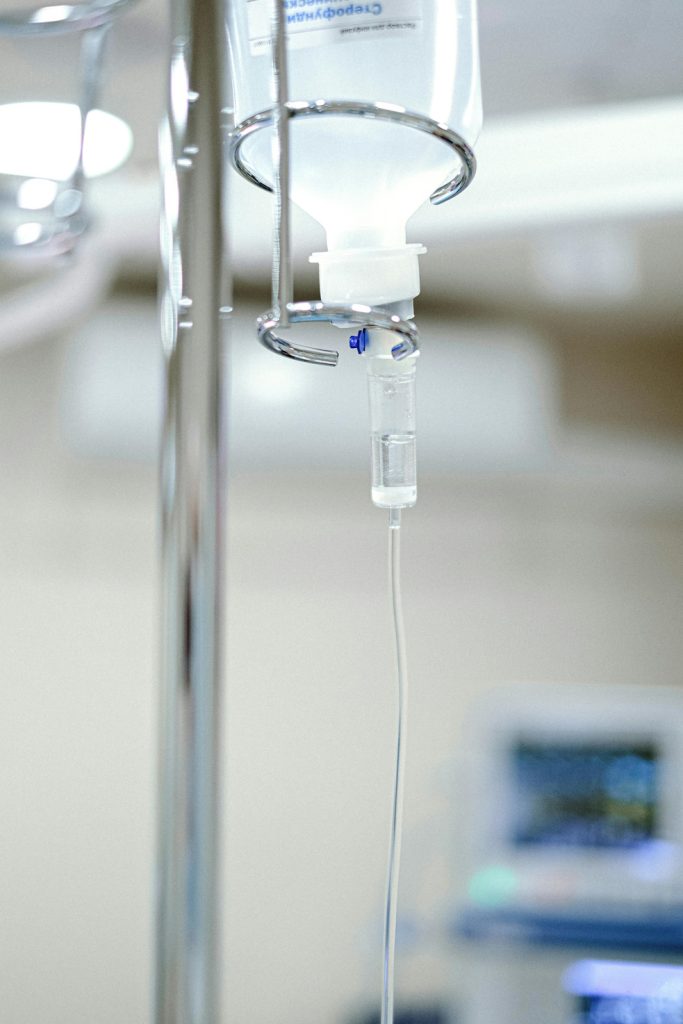
How it Works: A small catheter is inserted into a vein, usually in the arm, and is connected to an IV bag filled with the prescribed solution. The solution drips from the bag through the tubing into the bloodstream at a controlled rate, ensuring efficient and safe delivery.
Section 2: History of IV Therapy
The Early Years: IV therapy has roots in the early 17th century, when the first experiments involving injections into the bloodstream were conducted. However, due to lack of knowledge about the circulatory system and sterile techniques, early attempts were unsuccessful and even dangerous. Modern Development: In the early 20th century, improvements in medical technology and sterile procedures led to the safe use of IV therapy. It was used during World War I and II to treat soldiers for shock, dehydration, and injuries. The discovery of blood types and advances in fluid replacement therapy made IV therapy an essential part of emergency medicine. Current Uses: Today, IV therapy is a cornerstone of medical treatment. It is used for delivering medications, rehydrating patients, providing nutrition, and maintaining electrolyte balance. More recently, IV drips have expanded into the wellness industry, offering people an alternative way to boost energy, immune function, and overall well-being.Section 3: Medical Uses of IV Drips
IV drips serve a variety of essential medical purposes, from life-saving emergency treatments to supporting patients during recovery.
- 1. Hydration and Electrolyte Balance: IV fluids help rehydrate patients quickly, making them invaluable in cases of severe dehydration caused by vomiting, diarrhea, fever, or excessive sweating. They also restore electrolyte balance, crucial for proper body function.
- 2. Medication Delivery: IV drips are often used to administer medications like antibiotics, chemotherapy drugs, or pain relief directly into the bloodstream, ensuring fast and efficient treatment, especially in emergencies.
- 3. Nutrition: Patients unable to consume food due to illness or surgery can receive essential nutrients via IV drips through total parenteral nutrition (TPN), which delivers carbohydrates, proteins, fats, vitamins, and minerals.
- 4. Emergency and Critical Care: In emergency situations, IV therapy is used to deliver life-saving treatments, including fluids for shock, medications for heart attacks, and blood transfusions.
Section 4: IV Therapy in Wellness and Recovery
In recent years, IV therapy has transcended the hospital setting and gained popularity in wellness clinics and spas. Many people now turn to IV drips as a way to enhance their health and recovery, particularly after illness, intense exercise, or periods of stress. Popular Wellness IV Drip Formulas:
Section 5: Benefits of IV Drips
IV therapy offers several potential benefits, both in medical and wellness settings. Key benefits include:- 1. Fast Absorption: Since IV therapy delivers nutrients or medication directly into the bloodstream, it bypasses the digestive system, allowing for faster and more efficient absorption.
- 2. Instant Hydration: IV drips are one of the most effective methods for quickly rehydrating the body, making them invaluable in situations of severe dehydration.
- 3. Boosted Immune Function: In wellness settings, vitamin IV drips are promoted as immune boosters, particularly during flu season or after illness, offering concentrated doses of immune-supporting nutrients.
- 4. Enhanced Energy Levels: Many users report feeling more energized and less fatigued after receiving IV therapy, particularly with vitamin and hydration formulas.
- 5. Improved Recovery: IV therapy can help athletes recover more quickly from intense exercise by replenishing fluids, electrolytes, and nutrients lost during physical exertion.
Section 6: Risks and Considerations
While IV therapy offers many benefits, there are potential risks and considerations to keep in mind. Risks:- Medical Supervision: Always ensure that IV therapy is administered by trained professionals in a sterile environment.
- Not a Cure-All: While IV therapy can provide benefits, it should not be viewed as a replacement for a healthy diet, lifestyle, or medical care when needed.
Conclusion
IV drips have evolved from a life-saving medical treatment to a popular method for promoting wellness and recovery. Whether used to treat dehydration in a hospital or to boost energy levels in a wellness clinic, IV therapy offers rapid, effective, and versatile solutions to a variety of health needs. However, it’s important to approach IV therapy with caution, ensuring it is administered by a qualified professional in a safe environment. As research into IV therapy continues, it will be interesting to see how its applications in both medical and wellness settings evolve.References
- 1. World Health Organization (WHO). “Intravenous Therapy: Guidelines for Health Care Workers.” Accessed June 30, 2024. https://www.who.int/intravenous-therapy-guidelines
- 2. National Institutes of Health (NIH). “IV Fluids and Electrolytes in the Hospital.” Accessed June 30, 2024. https://www.ncbi.nlm.nih.gov/books/NBK493175
- 3. Mayo Clinic. “IV Therapy: What You Need to Know.” Accessed June 30, 2024. https://www.mayoclinic.org/iv-therapy-benefits
- 4. Healthline. “What to Expect from IV Therapy for Hydration and Vitamin Boosts.” Accessed June 30, 2024. https://www.healthline.com/iv-therapy-hydration-vitamins
- 5. Cleveland Clinic. “Intravenous Therapy: Uses, Benefits, and Risks.” Accessed June 30, 2024. https://my.clevelandclinic.org/health/treatments/15820-intravenous-therapy
Disclaimer!!!
The Information Provided On This Blog Is For General Informational Purposes Only And Is Not Intended As Medical Advice. Always Seek The Advice Of A Qualified Healthcare Provider Regarding Any Medical Condition Or Treatment. The Blog’s Content Should Not Be Considered A Substitute For Professional Medical Expertise Or Treatment. Reliance On Any Information Provided By This Blog Is Solely At Your Own Risk. We Do Not Endorse Or Recommend Any Specific Tests, Physicians, Products, Procedures, Opinions, Or Other Information That May Be Mentioned On The Blog. Always Consult Your Healthcare Provider For Any Health Concerns Before Making Any Healthcare Decisions.
The Information Provided On This Blog Is For General Informational Purposes Only And Is Not Intended As Medical Advice. Always Seek The Advice Of A Qualified Healthcare Provider Regarding Any Medical Condition Or Treatment. The Blog’s Content Should Not Be Considered A Substitute For Professional Medical Expertise Or Treatment. Reliance On Any Information Provided By This Blog Is Solely At Your Own Risk. We Do Not Endorse Or Recommend Any Specific Tests, Physicians, Products, Procedures, Opinions, Or Other Information That May Be Mentioned On The Blog. Always Consult Your Healthcare Provider For Any Health Concerns Before Making Any Healthcare Decisions.